
You will be able to book tickets from 9:30am on Wednesday 28th January.
Lecturers: Margaret Roberts and Emma Wise
Location: NAS Building 26-1 and NAS campus
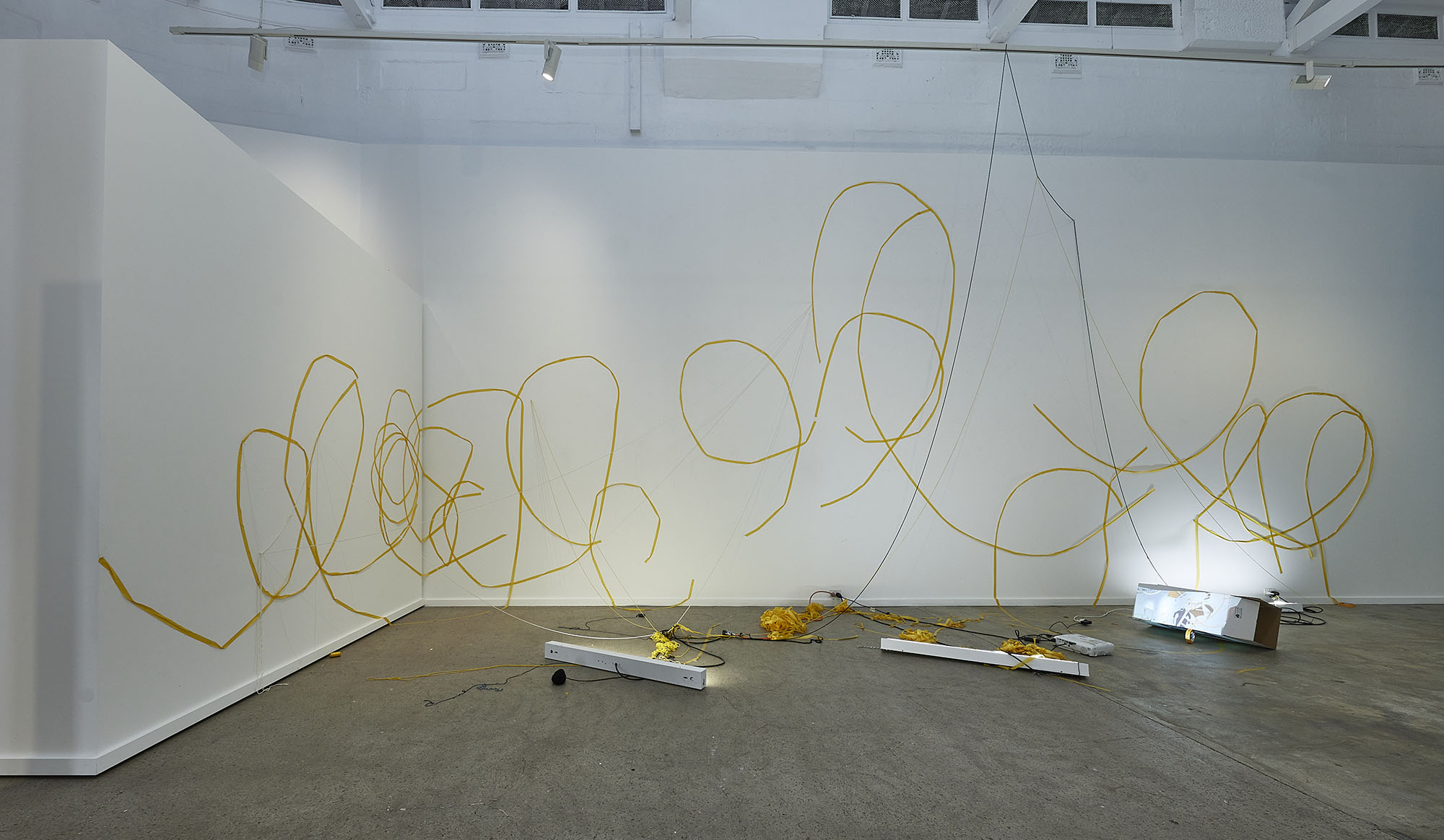
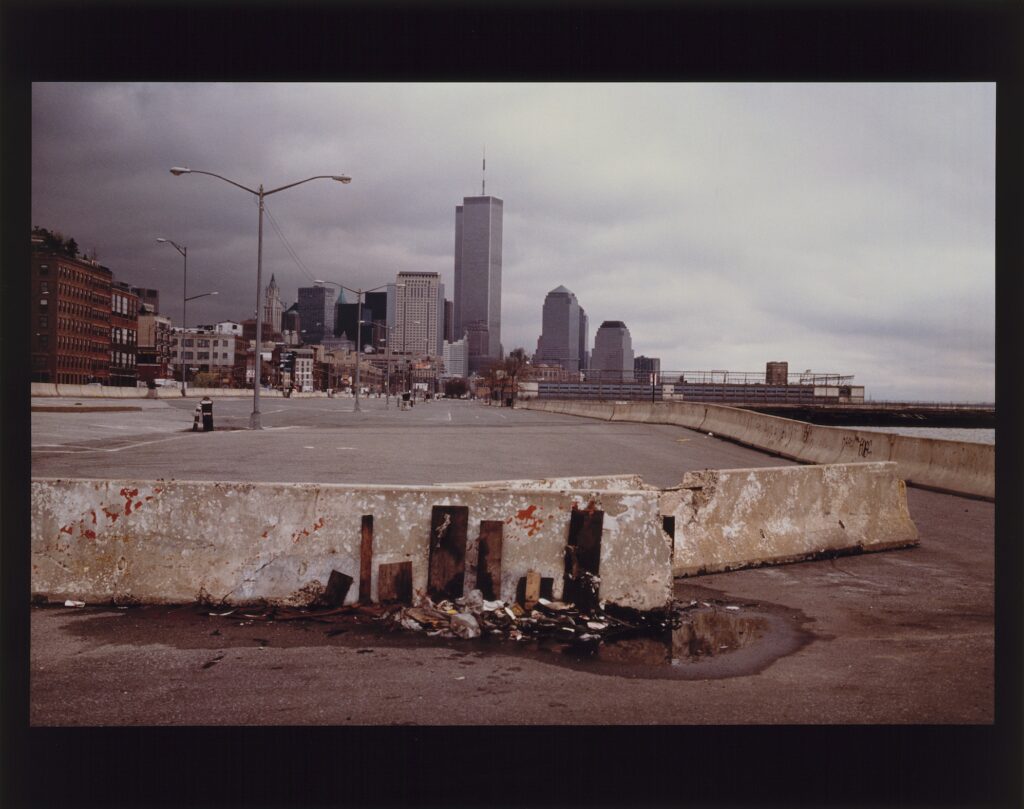
Proximity offers opportunities to develop sensitivity to your immediate physical environment using the low-tech materials and methods of drawing.
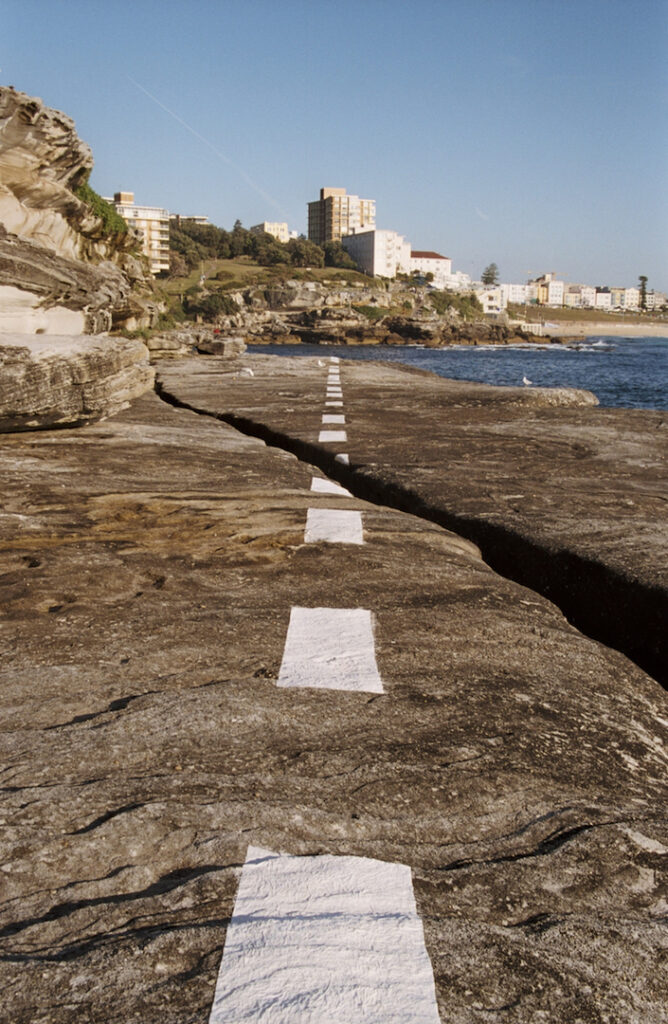
Being an outdoor, public site, the NAS campus enables Proximity to also introduce you to public art protocols of working in communal space. It will encourage you to work more lightly in that space than most public art does—to interact with the site in ways that enable you to easily return the site to how you found it.
It will encourage you to use a process of putting two things together—one being a location as you find it, and the other being what you temporarily bring to it in some form of line, shape, objects or other form of drawing.
You are asked to record your temporal engagements in a permanent record such as an artist’s book or other form that can be shown on the last day in 26.1—mainly for our own group crit, but also for the optional walk-around to see what has been produced by each workshop on NAS grounds, and for Drawing assessment at the end of the year.
As the workshop has a base in 26.1, there will also be opportunity to build and document a project in an indoor site over a few days, if you prefer that.
The workshop will start with a slideshow of artworks that engage lightly with their physical site. We will walk around the campus as a group to check out locations that spark your interest and suggest possible ways to engage with them. Lecturers and interns will support you in developing your experiments in engaging with one or many locations over the 4 days. You will be shown examples of artist’s books and other ways to record your discoveries.
Expect to come away from the workshop with:
• an artist’s book recording your 4 days of actual or planned interventions in photos, collages, plans or other drawings;
• confidence in making site specific artwork; and
• greater understanding about how you want your artwork to treat the physical world we live in. To support this reflection, reflect on Jane Bennett’s ideas about the ‘vibrant matter’ of the physical environment that we live within.
MATERIALS – WHAT TO BRING
• first day: bring basic drawing & recording materials: drawing notebook, pencil, eraser, camera, carry-bag
• On later days bring low-tech materials appropriate to your initial and developing ideas for a work: eg coloured paper/card, scissors, cutting knife, small cutting board, masking tape, permanent marker (use with care eg over masking tape), Blu Tack, plasticine, white/coloured string/thread/yarn, pins/tacks/nails, silver foil, fabric/rags, plastic, clay, chalk, brush (for sweeping ground etc), shoulder bag/bucket/plastic containers for storing/carrying materials outside, hat, gloves etc. Ensure you only use materials that are easily removeable and leave no permanent mark behind.
• provided in 26.1: large cutting boards, cardboard, coloured paper samples, hammer, ruler, white chalk, broom/brush,
MATERIALS – REMEMBER THE CAMPUS IS A COMMUNAL PLACE:
RESPECT YOUR KEY MATERIAL – ALWAYS LEAVE SPACES AS YOU FOUND THEM;
KEEP PORTABLE MATERIALS ETC IN CARRY-BAG/BUCKET & KEEP IT WITH YOU.
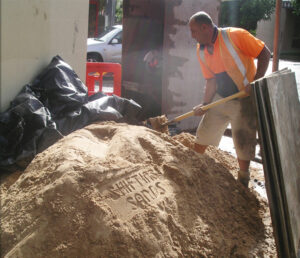
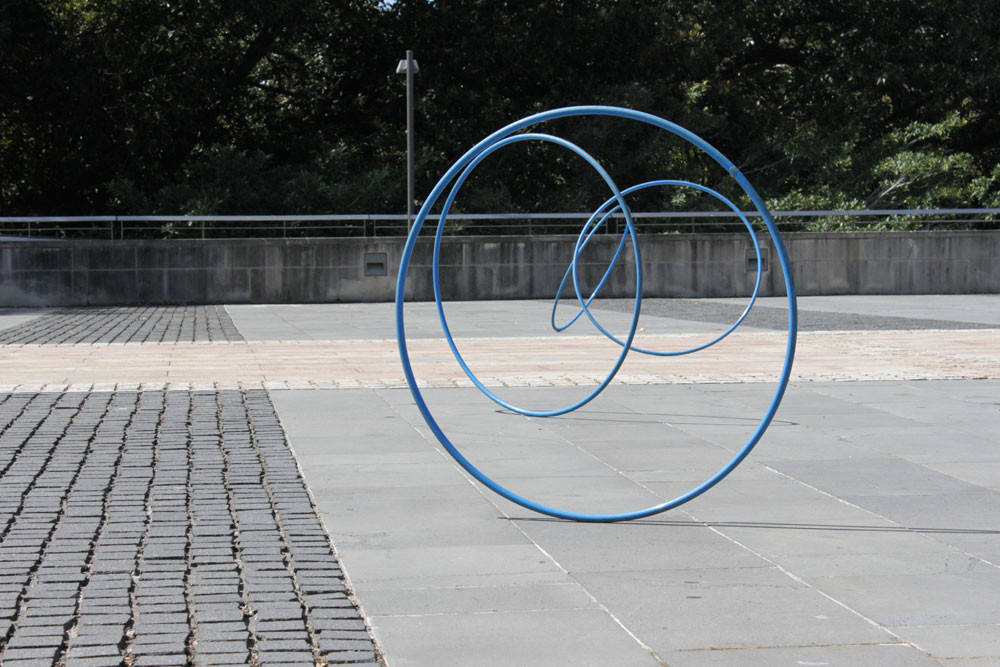
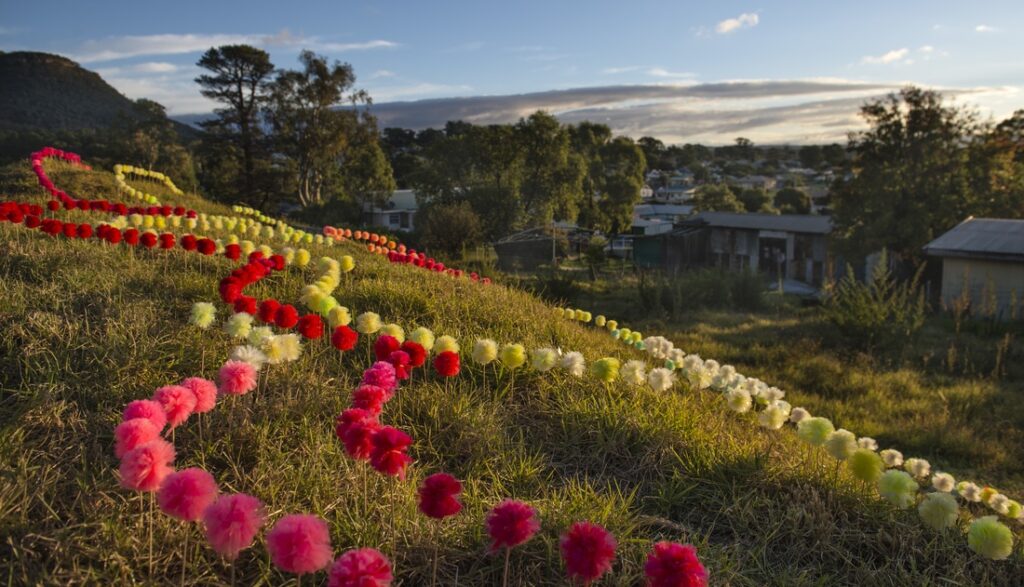
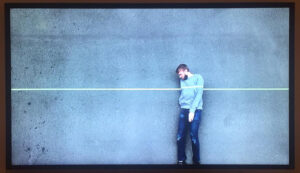
Scott Sinclair Body line (chest) Single channel video, 1:36min, NAS, 2016 link to video
More on expanded drawing blog site
Margaret Roberts teaches in the third year drawing program at NAS. Margaret has also taught in the Sculpture and Foundation programs at Sydney College of the Arts and in TAFE.
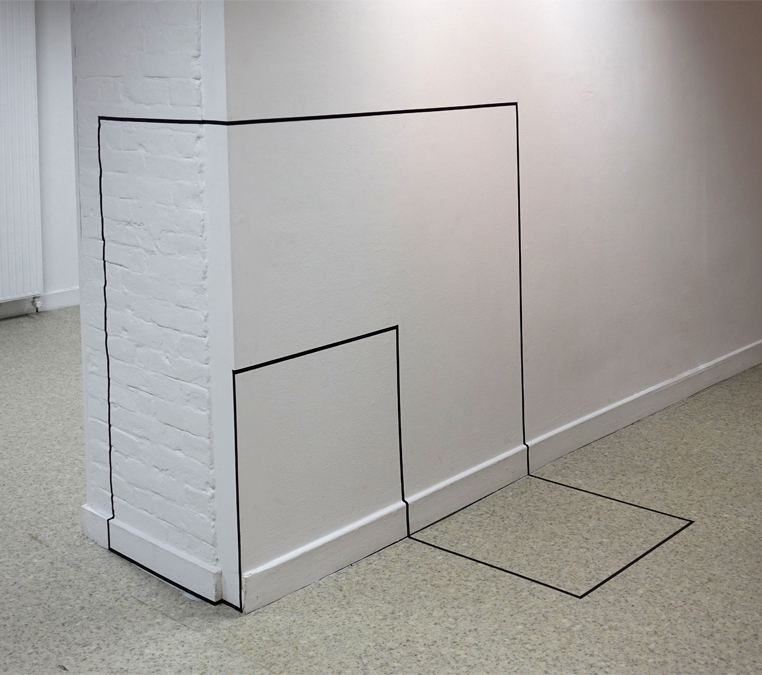
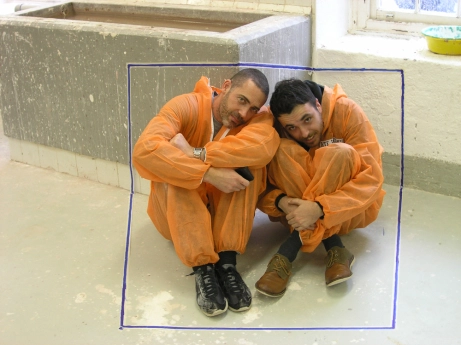
Emma Wise works with expanded drawing and relational events and teaches in the third year Drawing program at NAS.
